
History of College Betting Scandals: From Mob-Run Point Shaving to Sportsbook Integrity Algorithms

For nearly 80 years, college betting scandals have followed a simple formula:
Money shows up.
Margins move.
Someone thinks they won’t get caught.
In the 1940s and ’50s, it was organized crime slipping cash to players in New York apartments. Later in the the 1990s, Las Vegas sportsbooks started noticing suspicious line movement. In the 2020s, integrity monitoring software flags abnormal betting patterns in real time — sometimes before a coach even leaves the dugout.
The schemes change. The technology evolves. However, the motive doesn’t.
Below is the a comprehensive chronological History of College Betting Scandals in modern history — and how enforcement has evolved from police raids to compliance dashboards. They include college football, college basketball, and even a baseball coach.
RELATED: History Of Professional Sports Betting Scandals In The U.S.
📈 The Evolution of College Betting Scandals
| Era | Who Drove It | How It Was Caught |
|---|---|---|
| 1940s–60s | Organized Crime | Informants, police raids |
| 1970s–90s | Bookmakers & debt | Suspicious Vegas betting |
| 2000s | Wiretaps | Federal investigations |
| 2020s | Digital betting | Sportsbook integrity software |
🏀 1945 — Brooklyn College Basketball Scandal
💵 $1,000 bribe to lose
🚨 Scheme uncovered before game played
⚖️ NY subsequently expands sports bribery laws to include amateur athletics
Five Brooklyn College players accepted $1,000 to intentionally lose a game against Akron. Police discovered the scheme during an unrelated apartment raid before the game was played.
Outcome:
- The game was never played
- No players were arrested
- Two gambling ringleaders were jailed
Impact on Betting Laws: Afterward, New York expanded its sports bribery laws to include amateur athletics, marking one of the first legal acknowledgments of point shaving in the History of College Betting Scandals.
🏀 1947–1951 — CCNY & Six Other Schools
🎯 86 games shaved
🏆 NCAA champion implicated
👮 32 players arrested
📜 Leads to federal scrutiny of college gambling
Schools Involved: CCNY, LIU, Kentucky, NYU, Bradley, Manhattan, Toledo
Thirty-three players across seven schools shaved points in 86 games. Seven were members of the 1949–50 CCNY team that won both the NCAA Tournament and NIT — still the only such double in history.
Manhattan’s Junius Kellogg refused a $1,000 bribe, wore a wire for police, and helped expose organized crime involvement.
Fallout:
- 32 players arrested
- CCNY banned from Madison Square Garden
- LIU shut down athletics (1951–57)
- Kentucky canceled its 1952–53 season
This era ultimately influenced passage of the 1964 Sports Bribery Act, criminalizing game fixing at the federal level.
🏀 1957–1961 — Jack Molinas and the Nationwide Scheme
🎲 Jack Molinas runs nationwide scheme
👥 37 players arrested
🏛️ 1964 Sports Bribery Act passed
Schools: 22 nationwide
Former Columbia star and 1953 NBA No. 3 draft pick Jack Molinas orchestrated a massive point-shaving network.
Thirty-seven players were arrested. Molinas was sentenced to 10–15 years (served five).
Future NFL commissioner Paul Tagliabue unknowingly played in a fixed game at Georgetown — reportedly influencing his later anti-gambling stance.
Impact:
- St. Joseph’s stripped of 1961 NCAA third-place finish
- Federal criminalization of sports bribery
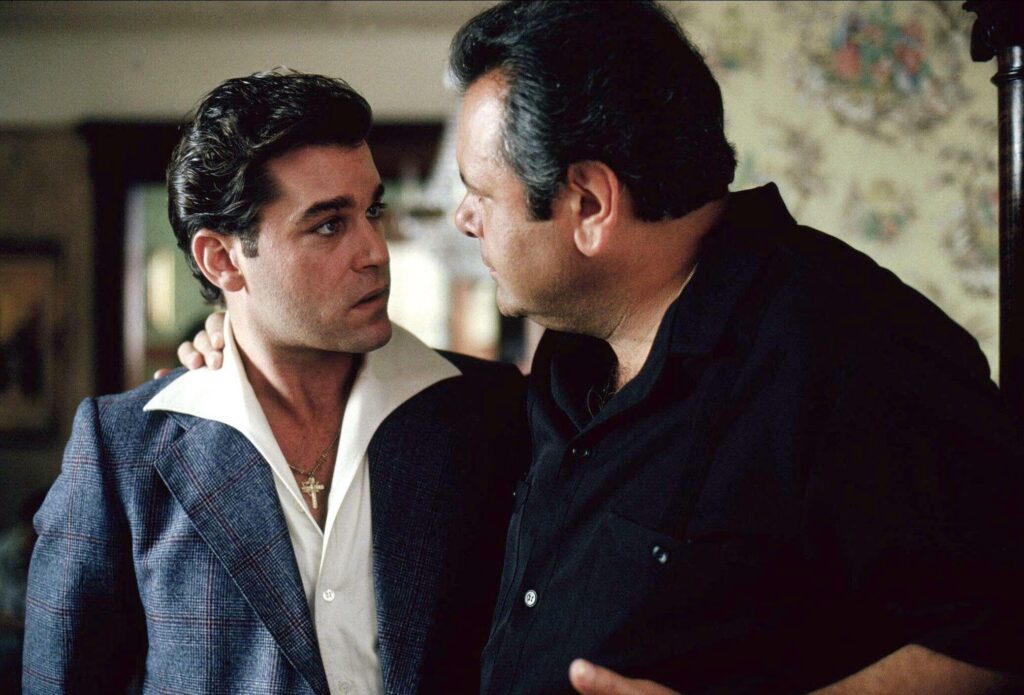
🏀 1978–79 — 'Goodfellas' Boston College Basketball Scandal
🕵️ Organized crime recruits players
🎥 Later tied to Henry Hill (Goodfellas)
⛓️ Only one player jailed
Players shaved points in nine games during the 1978–79 season after being recruited by organized crime figures.
Only Rick Kuhn — who recruited teammates — served prison time (12 years, reduced to four).
The scheme was later exposed by mob associate Henry Hill, portrayed by Ray Liotta in Goodfellas.
🏀 1985 — Tulane Basketball Shutdown
💰 Players shave two games
🚫 Program disbanded
🏟️ Returns four years later
Five players shaved points in games against Southern Miss and Memphis State.
An expanded investigation uncovered drug use and improper payments.
Impact:
- Tulane disbanded its basketball program
- Withdrew from the Metro Conference
- Returned in 1989–90
One of the rare cases where a Division I program shut down entirely due to a gambling scandal.
🏀 1994 — Arizona State Point Shaving Case
📉 Players paid not to cover spread
📊 Vegas books flag suspicious action
🔎 Nevada regulators + FBI notified
➡️ Early example of sportsbook integrity detection
Stevin "Headache" Smith and Isaac Burton were paid by bookmaker Benny Silman to ensure ASU failed to cover in four games.
Suspicious betting activity in Las Vegas drew the attention of sportsbooks, which alerted the Nevada Gaming Control Board and FBI.
Sentences:
- Smith: One year, one day
- Burton: Two months
- Silman: Nearly four years
This case marked an early example of sportsbooks flagging integrity concerns. Among those who assisted the FBI in the case was legendary oddsmaker Johnny Avello. Now the director of race and sports at DraftKings, Avello helped run the Bally's sportsbook at the time.
🏈 🏀 1994–1996 — Northwestern, Maryland, Boston College Betting Woes
🎲 Betting violations
❌ No major organized crime involvement
⚠️ NCAA gambling enforcement expands
A wave of gambling violations spread across campuses:
- Northwestern’s Kenneth Lee shaved points in three basketball games
- BC football players bet through a student bookmaker
- Maryland QB Scott Milanovich placed small wagers (none on Maryland games)
These cases expanded, subsequently, NCAA scrutiny of athlete gambling behavior beyond point shaving.
🏈 🏀 2004–06 — Toledo Point-Shaving Scheme
📞 Wiretap investigation
💵 Players paid to manipulate margins
⚖️ Probation, no jail time
Detroit-area businessmen paid Toledo football and basketball players in order to influence final game margins.
The scheme was uncovered through federal wiretaps.
Seven players were charged. None served jail time — probation and fines were imposed.
🏀 2011 — San Diego Assistant Coach Scheme
👔 Assistant coach orchestrates shaving
💰 Up to $10,000 per game
🔍 Discovered in unrelated federal probe
Assistant coach Thaddeus Brown recruited point guard Brandon Johnson to shave points in up to four games for as much as $10,000 per game.
The scheme surfaced during an unrelated federal drug investigation.
Sentences:
- Johnson: Six months
- Brown: One year
⚾️ 2023 — Alabama Baseball Coach Betting Out Of State
📡 Licensed sportsbook flags suspicious bets
🧠 Integrity monitoring system triggers investigation
🔥 Coach fired
Alabama fired baseball coach Brad Bohannon after licensed sportsbook integrity systems flagged suspicious wagering tied to an LSU-Alabama game in Ohio.
This marked one of the first moments in the History of College Betting Scandals in which regulated sportsbook monitoring systems discovered the problem. Modern compliance tools replaced informants.
🏈 🏀 ⚾️ 2023 — Iowa & Iowa State Digital Betting Violations
📱 Athletes & team support staff used online sportsbooks
🏟️ Bets placed inside team facilities
⚖️ Underage gambling pleas
📊 6,200+ wagers placed by staff
Digital footprint replaces envelope cash.
Authorities, then, investigated dozens of athletes and staff for online sports betting violations.
At least 35 athletes and team support - including football, baseball, basketball players, and wrestlers - were charged criminally and/or lost all or part of their NCAA eligibility based on the information last year. All those charged in the misdemeanor cases pled out, but four cases involving felony charges were dismissed.
Some athletes bet via legal sportsbooks using family accounts — even inside athletic facilities.
Five staff members placed over 6,200 bets totaling $110,000.
Former Iowa State QB Hunter Dekkers pleaded guilty to reduced underage gambling charges.
Sanctions extended into 2025.
🏀 2026 — 17 Division I Programs Federal Indictment
💵 $10K–$30K per game
📄 70-page federal indictment
👥 39 players implicated
⚖️ 20 defendants charged
Federal prosecutors charged 20 men in a sprawling point-shaving scheme impacting at least 29 games across 17 NCAA Division I basketball programs.
According to a 70-page indictment:
- 39 players allegedly involved
- Payments ranged from $10,000 to $30,000 per game
- 15 defendants were active players during the 2023–25 seasons
- Four charged players appeared in games during the same season
🏈 2026 — Texas Tech QB Brendan Sorsby Bet On His Own Team
💵 Texas Tech QB Brendan Sorsby bet approximately $90,000 on professional and college sports over four years.
📄 Initially banned by the NCAA
⚖️ A Texas judge granted Sorsby a preliminary injunction that prevents the NCAA from punishing him for violating its rules on sports gambling.
Buzz: Sorsby, who transferred to Texas Tech this past offseason, said he placed at least 2,900 bets totaling more than $30,000 during his two years at Indiana and at least 165 bets totaling at least $38,000 during his two years as Cincinnati's starting QB. He continued his sports betting after transferring to Texas Tech in January and has acknowledged sending more than $65,000 to friends to cover bets made on his behalf during his college career.
Sorsby. meanwhile, left Lubbock at the end of April and underwent a 35-day in-patient rehab program in Arizona, for diagnosed gambling and anxiety disorders.
NCAA Response: "The NCAA strongly disagrees with the court's ruling in Sorsby's case and is deeply concerned about the damaging, far-reaching and broadly destabilizing ramifications of this outcome -- which undermines and corrupts the integrity of sports. The NCAA is committed to supporting student-athlete mental health but must continue to aggressively defend against actions that defraud college athletics and threaten competitive integrity, such as betting on one's own sport."
How College Betting Scandals Have Evolved
1940s–60s: Organized crime and envelope cash
1970s–90s: Spread manipulation and Vegas alerts
2000s: Federal wiretaps
2020s: Digital betting trails and sportsbook compliance software
The biggest difference today?
Algorithms have replaced snitches. Informants in smoky apartments now find their role played by algorithms.
 Manchester United vs Tottenham Free Bets Offer: Get 50/1 On Over 0.5 Goals
  Premier League Relegation Odds: Man City Among Favourites As They Await PL Punishment
  Big Brother Betting Offers 2026: Latest Odds to Win Ahead of Friday's Eviction
  Premier League Winner Odds: Arsenal Odds-On After Man City Guilty Verdict
  Premier League Free Bets & Betting Offers for Gameweek 6
  Expert Football Betting Tips - Today's Best Football Tips For West Ham vs QPR
Comments