
Wisconsin Sues Multiple Prediction Markets, Including Kalshi & Polymarket


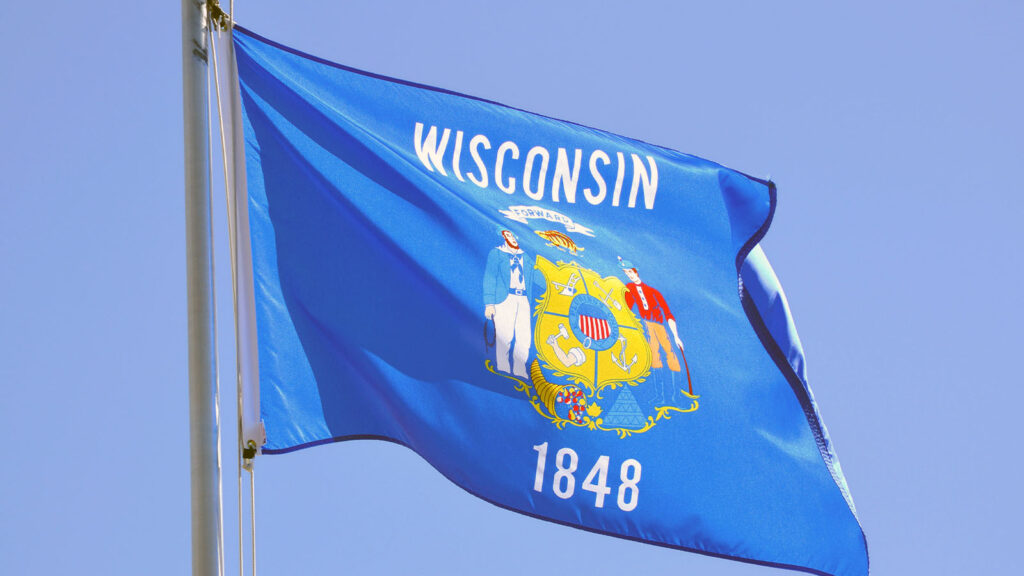
Wisconsin sued several prediction markets on Thursday, including Kalshi and Polymarket, alleging they facilitate illegal sports betting.
The state-by-state legal battle over prediction markets escalated as the Wisconsin Department of Justice filed sweeping lawsuits against Kalshi, Robinhood, Coinbase, Polymarket, Crypto.com and their affiliates. Wisconsin Attorney General Josh Kaul didn’t mince words.
“Thinly disguising unlawful conduct doesn’t make it lawful,” Kaul said in announcing the actions. “These companies’ alleged facilitation of sports betting in Wisconsin should be shut down.”
At the center of the lawsuits is a now-familiar industry flashpoint: whether “event contracts” offered on prediction platforms are legitimate financial instruments — or simply sports bets repackaged to bypass state gambling laws.
"As other courts have recognized, Kalshi is a regulated, nationwide exchange for real-world events, and it is subject to exclusive federal jurisdiction. It's very different from what state-regulated sportsbooks and casinos offer their customers. We are confident in our legal arguments," Kalshi spokesperson Elisabeth Diana told Bookies.com via email.
Friday, a Robinhood spokesperson shared the following comment to Bookies.com:
""As we've previously shared, Robinhood's event contracts are federally regulated by the CFTC and offered through Robinhood Derivatives, LLC, a CFTC-registered entity, allowing retail customers to access prediction markets in a safe, compliant, and regulated manner. We intend to defend ourselves against these claims."
‘Event Contracts’ Or Illegal Bets?
According to the complaint filed in Dane County Circuit Court, Wisconsin argues there is no meaningful distinction.
The state alleges platforms like Kalshi allow users to wager on outcomes such as game winners, point spreads and in-game props — identical to offerings at traditional sportsbooks — but label them as tradable contracts priced by probability.
For example, users could purchase a contract priced at $0.53 implying a 53% chance a team wins, with payouts reaching $1 if correct — a structure the state says is “indistinguishable from an ordinary sports bet.”
The lawsuit further claims that:
- Companies collect transaction fees on each trade, effectively operating like sportsbooks taking a rake
- Funds are held and distributed based on outcomes, mirroring traditional wagering flows
- Platforms actively offer markets equivalent to moneylines, spreads, totals and prop bets
In short, Wisconsin argues the business model meets the statutory definition of illegal commercial gambling under state law.
“Repackaging ordinary sports bets as ‘event contracts’ does not remove them” from gambling prohibitions, the complaint states.
Gov. Tony Evers on April 9 signed a bill that allows Wisconsin legal online sports betting, operated through the state's native tribes. But that won't launch for several months.
Public Nuisance Claim Raises Stakes
Rather than pursuing only penalties, Wisconsin is taking a broader swing by labeling the activity a “public nuisance.”
That legal strategy is significant.
The DOJ is seeking:
- A declaration that the platforms violate Wisconsin gambling statutes
- Immediate preliminary and permanent injunctions blocking access to sports-related contracts in the state
- Court intervention to halt operations prospectively
The nuisance framing allows the state to argue ongoing violations — and potentially fast-track injunctive relief.
Wisconsin law has historically taken a hard stance on gambling. The complaint notes sports betting has been illegal in most forms since the 1800s, with limited exceptions for tribal gaming operations.
Multi-Platform Ecosystem Under Fire
The lawsuits also highlight the interconnected nature of the prediction market ecosystem.
Wisconsin alleges:
- Kalshi operates the underlying exchange
- Robinhood and Coinbase act as front-end access points, routing trades through Kalshi infrastructure
- All parties collect fees and share in the economics of the activity
That structure undercuts a common industry defense — that platforms are merely intermediaries rather than operators.
The state argues each entity plays a direct role in facilitating wagers.
Part Of A Growing National Fight
Wisconsin’s move is the latest — and one of the most expansive — actions in a rapidly escalating jurisdictional battle between states and federally regulated prediction markets.
It follows a string of recent flashpoints:
- Ohio issued a $5 million enforcement action against Kalshi for alleged illegal operations
- Massachusetts secured a preliminary injunction blocking sports-related contracts
- Nevada backed a federal order halting Kalshi activity within state lines
- Tennessee and Maryland have seen mixed federal rulings on whether states can enforce gambling laws against prediction platforms
At the federal level, the Commodity Futures Trading Commission (CFTC) continues to assert authority over event contracts as derivatives, setting up a direct clash with state gaming regulators.
Kalshi scored a major victory two weeks ago when a federal appeals court ruled that New Jersey gaming regulators could not ban the platform from offering sports event contracts in the Garden State.
But other states have altered their approach.
“States have quickly pivoted from sending cease-and-desist letters — a surefire ticket to being a federal court defendant (and a sub-optimal strategy) —to striking first in state court, where the focus is on the legality of the sports-event contracts under state law and not just the narrow question of the CFTC’s jurisdiction," gambling attorney Daniel Wallach told Bookies.com.
"States have enjoyed significant success litigating in state courts against the prediction markets, as evidenced by the recent decisions in Massachusetts and Nevada, where state courts have entered injunctions against Kalshi, Coinbase and Polymarket. The 1-2 punch this week of New York and Wisconsin filing back to back in state court shows that states have finally recalibrated their litigation strategy in dealing with prediction markets. It’s now become a proverbial race to the courthouse.”
The Bottom Line
Wisconsin’s lawsuits represent a coordinated attempt to draw a bright legal line: if it looks like a bet and pays like a bet, the state will treat it like a bet.
The outcome could help determine whether prediction markets remain a parallel system to sportsbooks — or are forced into the same regulatory box.
This fight continues to be litigated state by state — amid a pushe for new laws in Congress to govern prediction market platforms - and Wisconsin put nearly the entire ecosystem on notice.
 Best NFL DFS Sites & Apps For Week 4 September 2026
  Fliff Promo Code BOOKIES: Get up to $250 in Free Play
  Dabble Promo Code BOOKIES: Play $5, Get $20.26 Bonus
  Dabble Referral Code BOOKIES: Play $5, Get $20.26 Bonus
Comments