
Kalshi CEO Announces 'Parent Portal' To Combat Underage Users

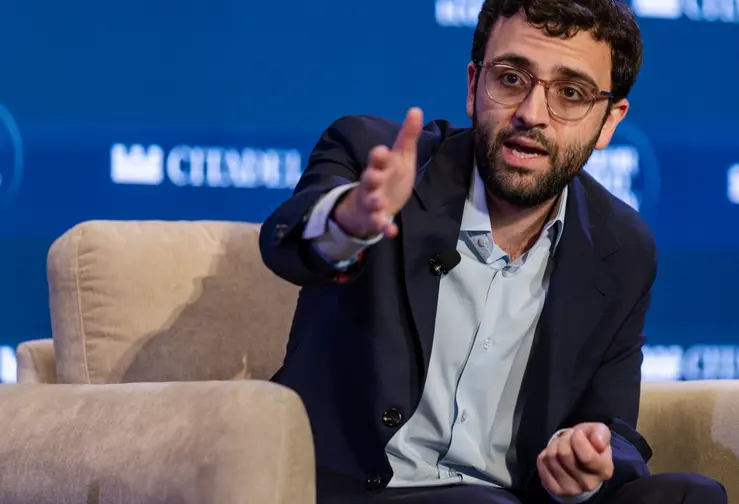
Tarek Mansour, co-founder and CEO of prediction market platform Kalshi, announced Wednesday the company's new Kalshi Parent Portal. It is aimed to prevent underage users from accessing its exchange.
Speaking at the Semafor World Economy summit in Washington., Mansour outlined a series of tools designed to address one of the more common workarounds minors use — registering accounts with a parent’s identification.
The Kalshi Parent Portal allows adults to submit their ID information, a move to check whether it is being used on the platform.
“We are launching a portal for parents to basically submit their identification … to see if someone is using it,” Mansour said. “They can see if their children are using their ID and police it.”
Kalshi To Add ID Verification Via Selfies
The move comes a day after gaming regulators in Ohio moved to fine Kalshi $5 million. That fine comes, in part, because those under 21 can trade on its platform. Kalshi operates as a Designated Contract Market (DCM) under the regulatory guidance of the Commodity Futures Trading Corporation. Federal law allows those 18 and over to trade on DCM platforms. Ohio law prohibits anyone under 21 from placing a legal wager in the state.
The company is also adding enhanced identity verification. That includes selfie-based authentication paired with AI tools that compare a user’s face to the ID on file.
“We are also adding selfies to accounts … so it can tell you if this person is not the actual parent,” Mansour said, noting that additional safeguards are still in development.
Beyond age verification, Kalshi is exploring features aimed at promoting responsible usage. That includes a “family accounts” concept that would allow friends or relatives to monitor each other’s activity on the platform.
The goal, Mansour said, is to create a layer of accountability among users and their social circles.
“How do we create a sort of accountability structure amongst friends and families. . . . to say, ‘Hey, you might be doing a little too much here,’” he said. “We want this to be a tool for good, not a tool for excessive behaviors.”
 $5 Dollar Deposit Casinos Launched in Alberta October 2026
  Rebet Referral Code BOOKIES: Matched Bonus Up to $100 in Rebet Cash
  Top 5 Betting Apps Right Now October 2026
  Fliff Promo Code BOOKIES: Get up to $250 in Free Play
  Alberta Stanley Cup Betting: How to Bet on Edmonton Oilers and Calgary Flames
  Top 10 Social Casinos October 2026: Best Sites Ranked
Comments